
Built in nORTH cAROLINA for
american
agriculture
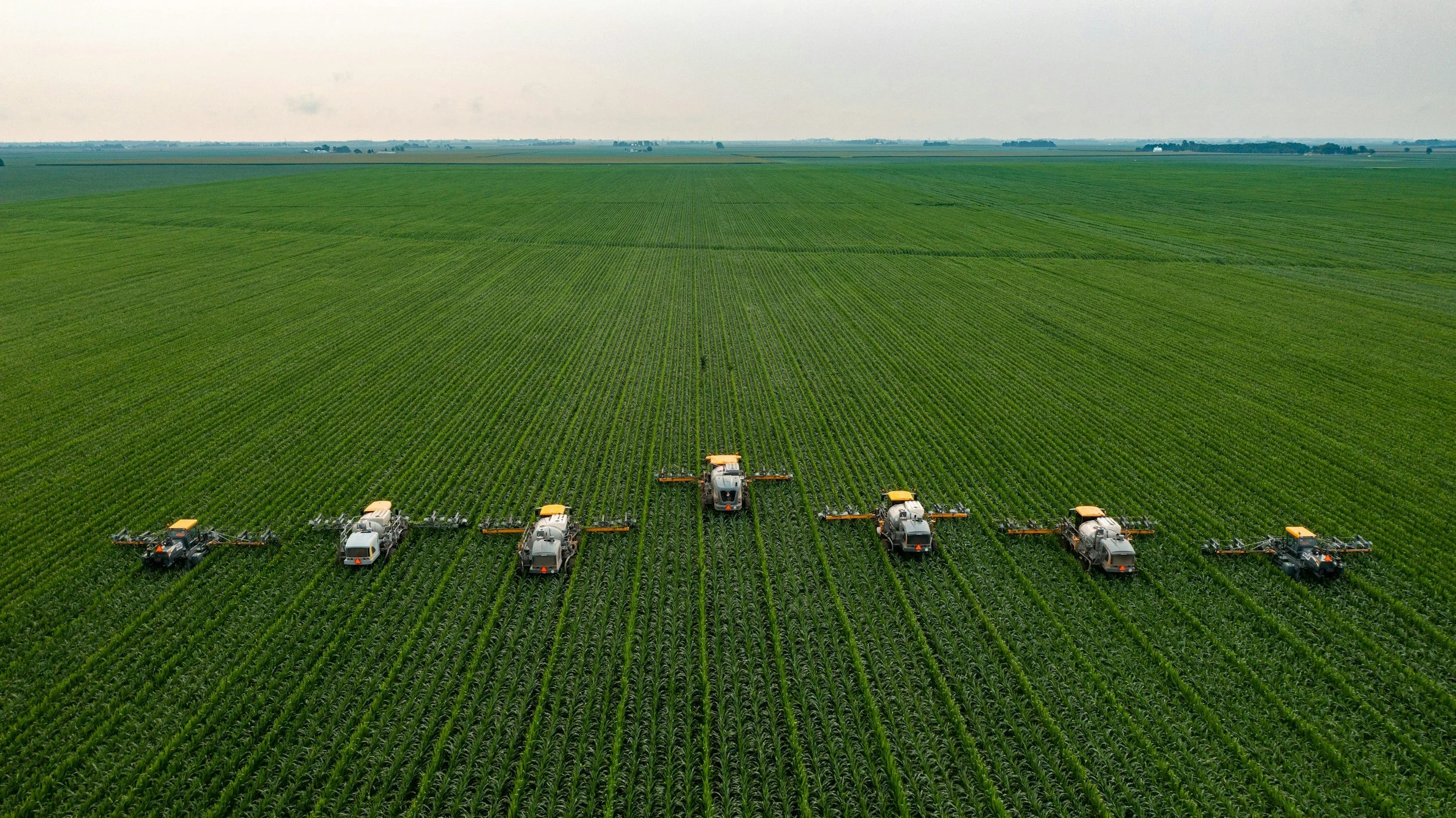
Farming does not slow down just because batteries do. Cooperative DRONE was built to fix the biggest bottleneck in ag drones today: short flight time that turns spraying into a stop-and-go chore. While most spray drones top out around 45 minutes, our platform is designed for multi-hour flight so you can cover more acres per run, hit tight weather windows, and spend less of your day swapping batteries and refilling constantly.
Here’s what that means for you on the farm:
More work per mission: Designed for long flight time and heavy-lift payload capacity, so you can spray longer and carry what you need without babysitting the operation.
Faster coverage and flexibility: Built with long range capability and high performance headroom, so you can move between fields and scale operations without your drone becoming the limiting factor.
Precision that pays back: Precision spraying can reduce wasted chemical use and avoid crop trampling from ground rigs, which can translate into meaningful annual savings at scale (often cited in the $20K to $40K range per 1,000 acres when you factor chemical, labor, crop damage prevention, and fuel/equipment savings).
Better decisions between applications: Enhanced low-altitude mapping and AI terrain modeling support things like soil health monitoring and runoff modeling, so you are not just applying product, you are managing risk and inputs smarter.
Bottom line: it’s built so you can spray more acres in less time, protect yield, waste less input, and stop choosing between “drone convenience” and “getting the job done.”
Read the specs
-
Long Flight Time
Stay in the air for hours, versus about 35 minutes as the industry standard. That means fewer stops, fewer swaps, and way more work done per session.
-
Long Mile Range
Get miles of range. It opens up larger coverage and fewer repositioning headaches.
-
High Speed
Even if ag use cases do not always need max speed, it signals serious performance headroom.
-
High Weight-to-Lift Ratio
In plain terms, it is built to carry more capability per pound of drone.
-
AI Terrain Modeling
Instead of basic modeling, the system uses AI terrain modeling. That helps the drone understand real-world terrain more intelligently for mapping and planning.
-
Precision Hovering
The platform emphasizes low build cost through a modular design. Practically, that points to easier maintenance, simpler upgrades, and a clearer path to scaling.

Proudly designed, developed and manufactured
In the USA. for the USA.